
 Türkçe
 English
 Français
 Deutsch
How to organise a physical archive: barcode, boxing and shelf address
A well-organised physical archive is the foundation for reaching a document within two minutes and for a smooth move to a digital archive. How do barcode, box and shelf address work together?
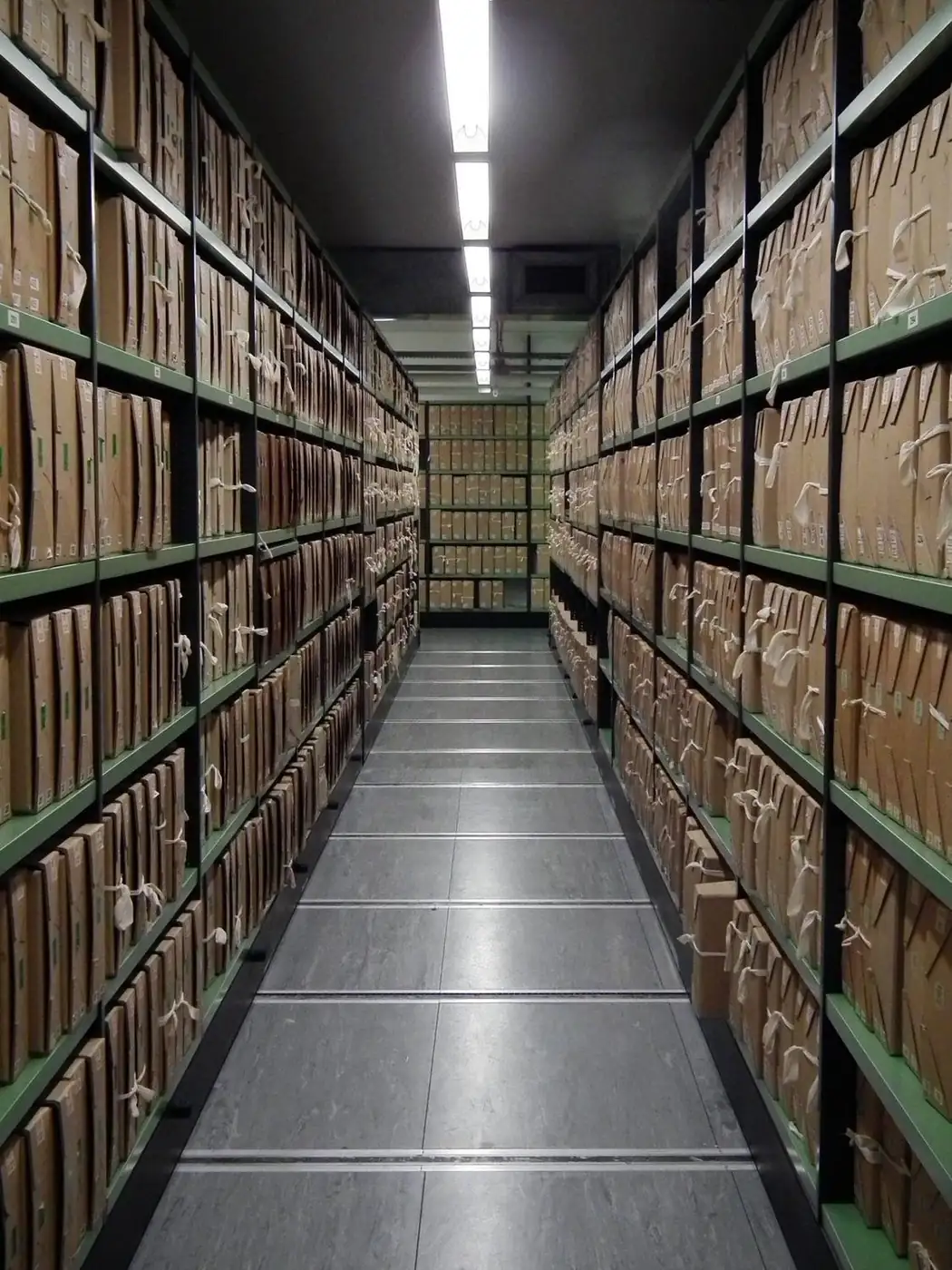
Organising a physical archive means barcoding every document individually, placing it in a box and linking the box to a shelf address. Once this structure is in place, scanning a barcode instantly shows which department, which box and which shelf the document you are looking for is in. In our projects, the goal is to reach a document within two minutes.
What steps make up a physical archive system?
- Description and index information: Documents are classified by type and level of description; the searchable information is defined for each.
- Individual barcoding: Every item receives a unique barcode. The barcode is the document’s identity throughout its life.
- Boxing: Barcoded documents are placed in archive boxes. A box protects against sunlight, humidity, dust, micro-organisms and pests, minimises damage in disasters and prevents unauthorised access.
- Linking to a shelf address: The box is matched with a shelf address. When the barcode is queried, the department and shelf address are displayed.
- Weeding out documents due for disposal: Material that must be destroyed is listed and submitted to the destruction committee for approval.
How does a barcoded system make daily work easier?
- Querying a barcode shows the department and shelf address.
- When a returned document is scanned, it is automatically removed from the loan list.
- Disposal is carried out reliably, by document and by barcode.
- Everyone queries and requests on loan the documents within their authorisation.
- A “which document is in which box” report is ready at any time.
- Weeding out documents due for disposal reduces the need for new storage.
Why is a colour-coded system used for case files?
Case files make up more than 80 percent of an archive. A colour-coded system provides alphabetical, numerical, alphanumeric or chronological order for these files and prevents them from being misfiled. For example, under Turkey’s Medical Records and Archive Services Directive for Inpatient Treatment Institutions, patient files must be kept for at least 20 years; files of this kind need to be organised in line with the Colour-Coded System. For the choice of materials, see our archive consumables page.
How is the physical order connected to the digital archive?
The barcoded structure works with the same index when you move to a digital archive. Because the physical document and its scanned copy are matched with the same identity, the question “which boxed document does this digital copy belong to?” never arises. For this reason, setting up the physical order first is the shortest path to preparing for a digital archive. You can find the process in our physical archiving service; for the next step, you can move on to the digital archive setup guide.
Frequently asked questions
How quickly can I reach the document I am looking for?
Thanks to the barcoded system, a document can be reached within two minutes. When the barcode is queried, the document’s department and shelf address are shown.
How is disposal carried out?
Documents due for disposal are listed first and submitted to your organisation’s destruction committee for approval. No document that has not been approved is weeded out; disposal is carried out by document and by barcode.
Where should you start with your archive?
If you are not sure which step to begin with, we start the first meeting with a feasibility study and an inventory. The digital archive assessment and the initial meeting are free of charge; you can fill in the form on the contact page or call +90 (212) 588 51 44.