Teklif AlGet a quoteDemander un devisAngebot anfordern

Our Services

Historical document archiving.

Your firmans, berats, registers and books are read, transcribed and simplified, then restored and transferred to the digital archive.

Historical archive with expert teams

Ottoman Turkish printed · ruq'ah · naskh · diwani · thuluth · nastaliq · siyaqat

Your books, registers, journals, firmans, berats and similar historical documents are processed by our expert teams in the following order:

  • Reading
  • Transcription: conversion into the modern alphabet
  • Simplification into modern Turkish
  • Preparation of summaries and indexes
  • State-of-the-art restoration processes
  • Transfer to digital media and creation of the digital archive
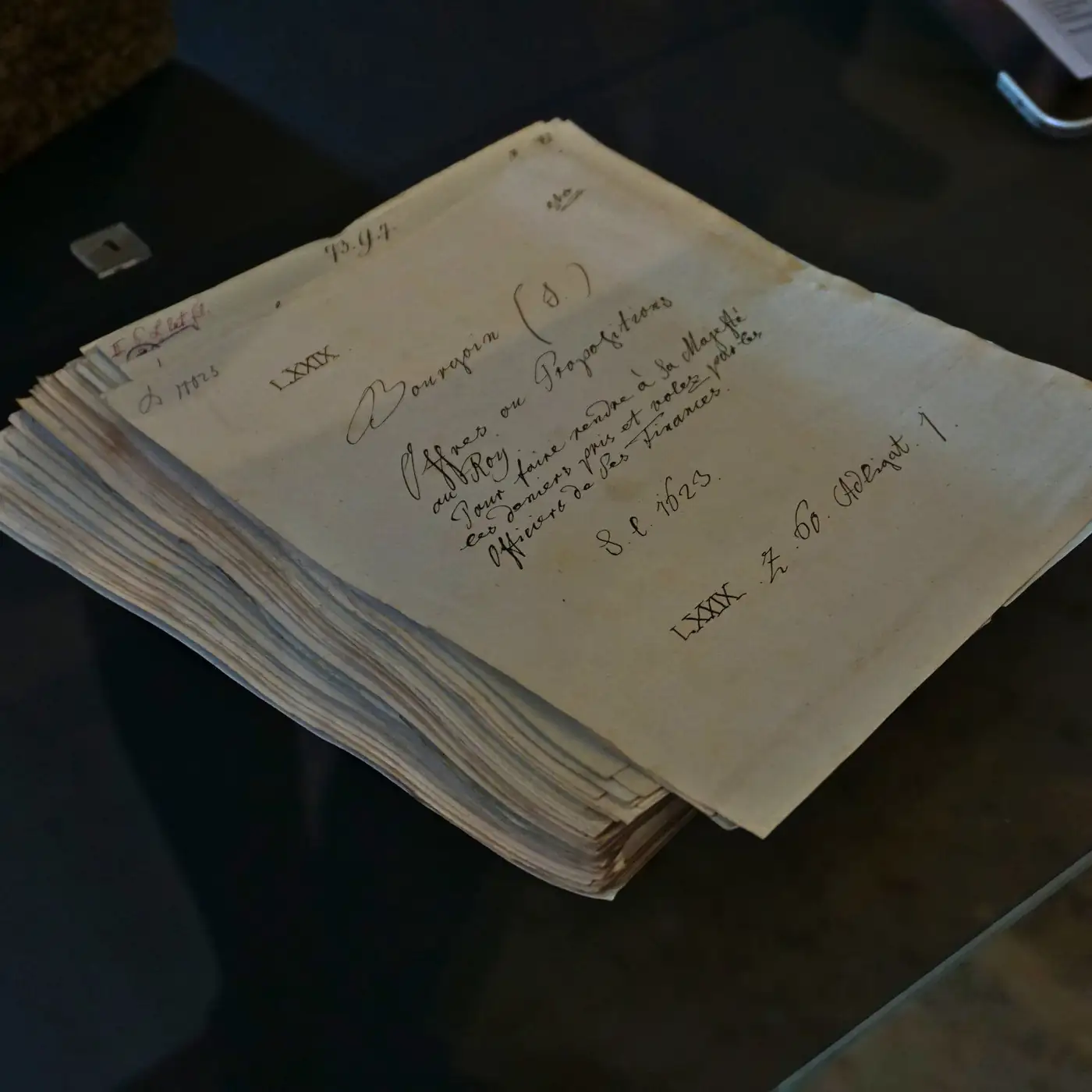
Old documents filled in by hand

Our other services

The other layers of your archive.

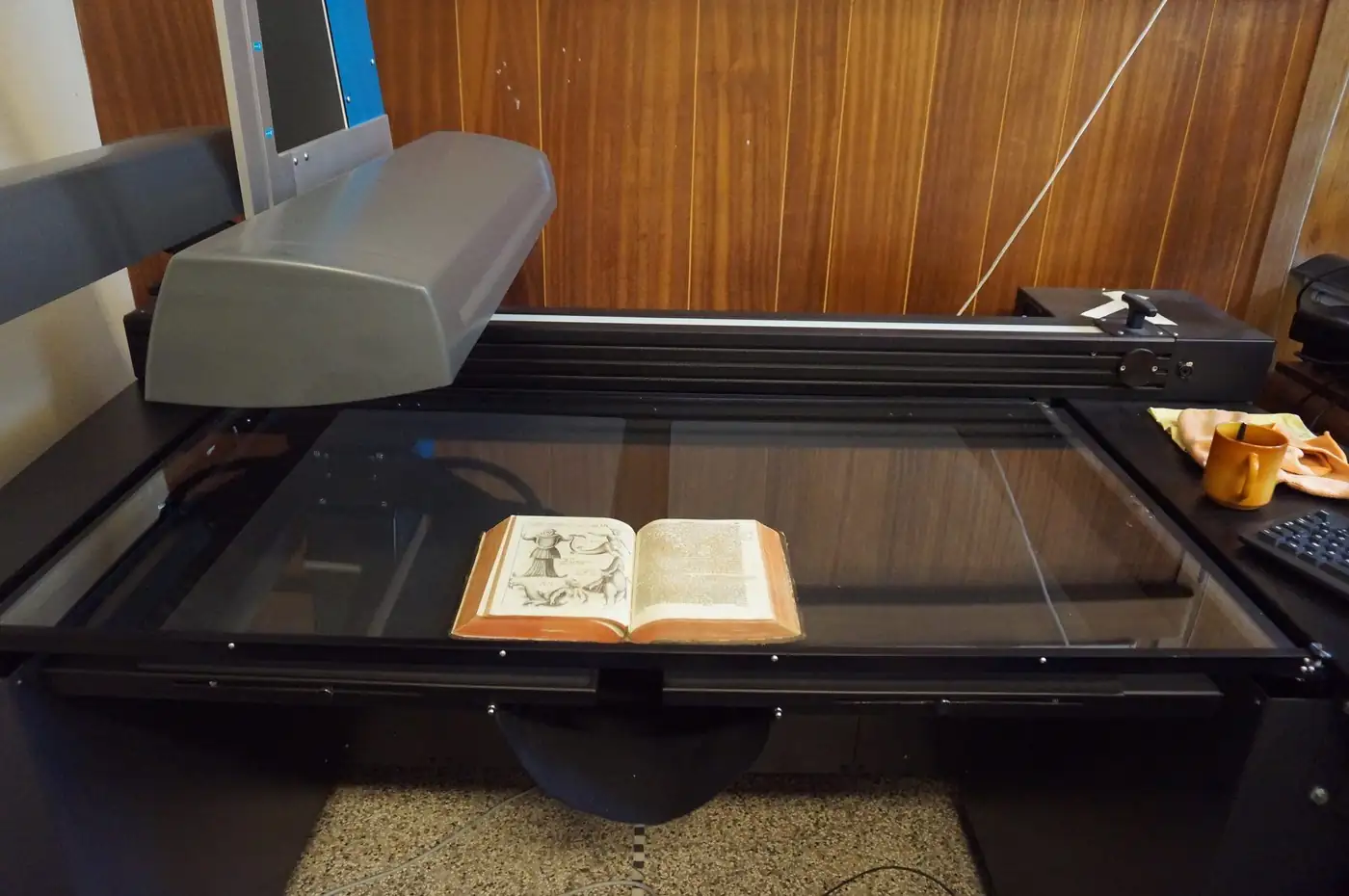
Book being scanned for the digital archive
Digital

Digital Archive

Digital archive: barcode, scan, index, and reach any document in seconds.

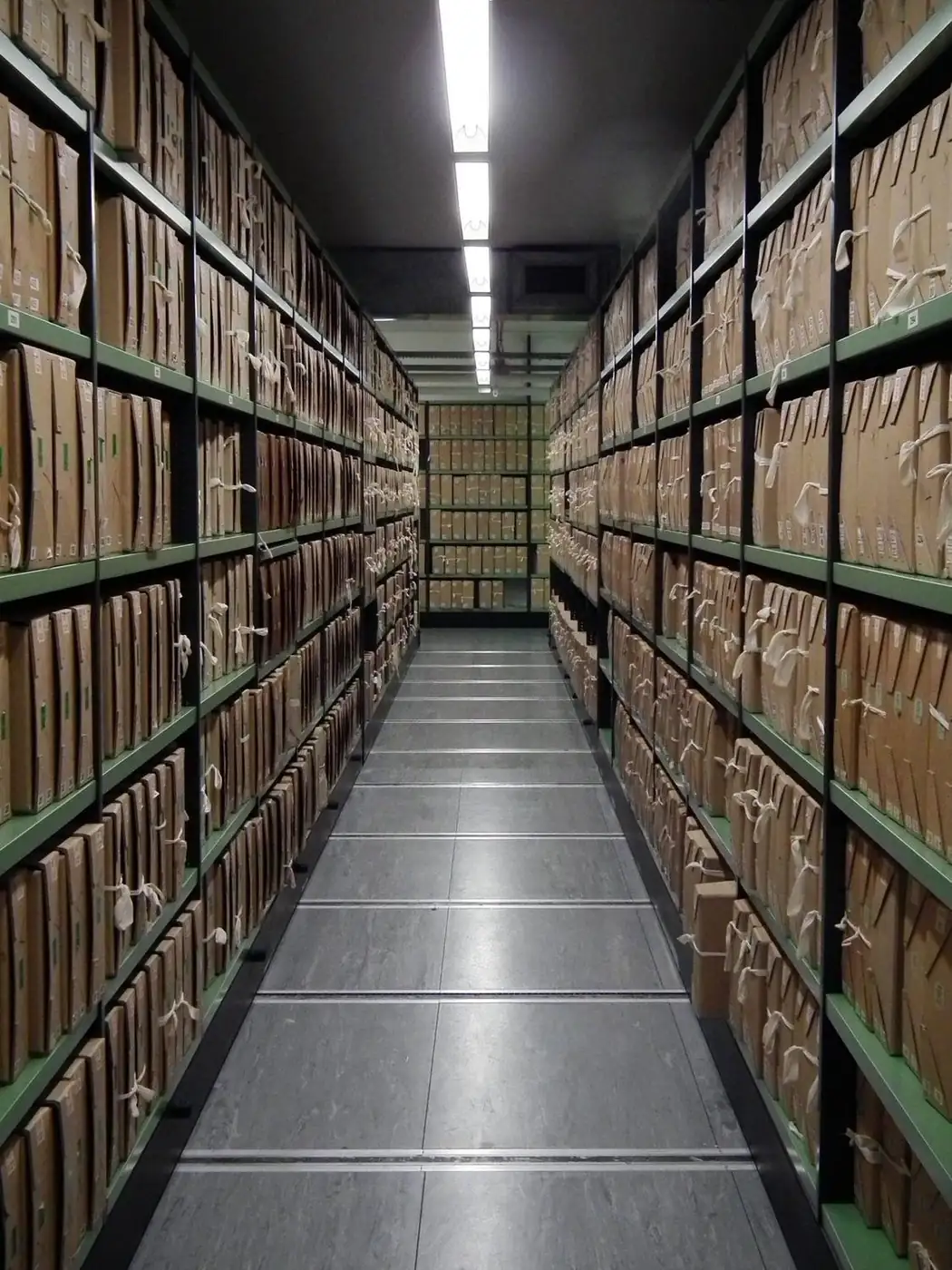
Long archive corridor
Physical

Physical Archiving

Item-level barcodes, boxing, addressing: any document in 2 minutes.

FAQ

Frequently asked questions about historical documents.

Which Ottoman Turkish scripts can you read?

Documents such as books, registers, journals, firmans (imperial edicts) and berats (imperial charters), written in scripts including printed (matbu), ruq'ah (rik'a), naskh, diwani, thuluth, nastaliq (talik) and siyaqat, are read and transcribed by expert teams.

What is the difference between transcription and simplification?

Transcription is the conversion of a document into the modern alphabet. Simplification is rendering the text into modern Turkish. Depending on need, both are carried out together, and summaries and indexes can also be prepared.

What happens after the documents are restored?

State-of-the-art restoration is applied, then the documents are transferred to digital media to create the digital archive. The originals are thus preserved without wear, while researchers access the digital copy.

What should organisations do for their own historical archive?

The first step is an inventory: which documents exist, which script they are written in and their physical condition are determined. Then the order of priority, restoration needs and a plan for transfer to the digital archive are prepared.

Next step

Let's talk about your archive.

If you are unsure which service to start with, we begin with a feasibility study in the first meeting.

  1. 01

    Fill in the form

    Your organisation, approximate volume and requirements.

  2. 02

    On-site review

    We inspect your storage area and define the scope together.

  3. 03

    Roadmap

    We present a written proposal covering timeline and budget.

Free initial consultation

Let's assess your archive together.