
 Türkçe
 English
 Français
 Deutsch
How are Ottoman documents read, transcribed and transferred to a digital archive?
Firmans, berats, registers and books are read by specialist teams, transcribed, simplified, restored and transferred to a digital archive. Here is the process step by step.
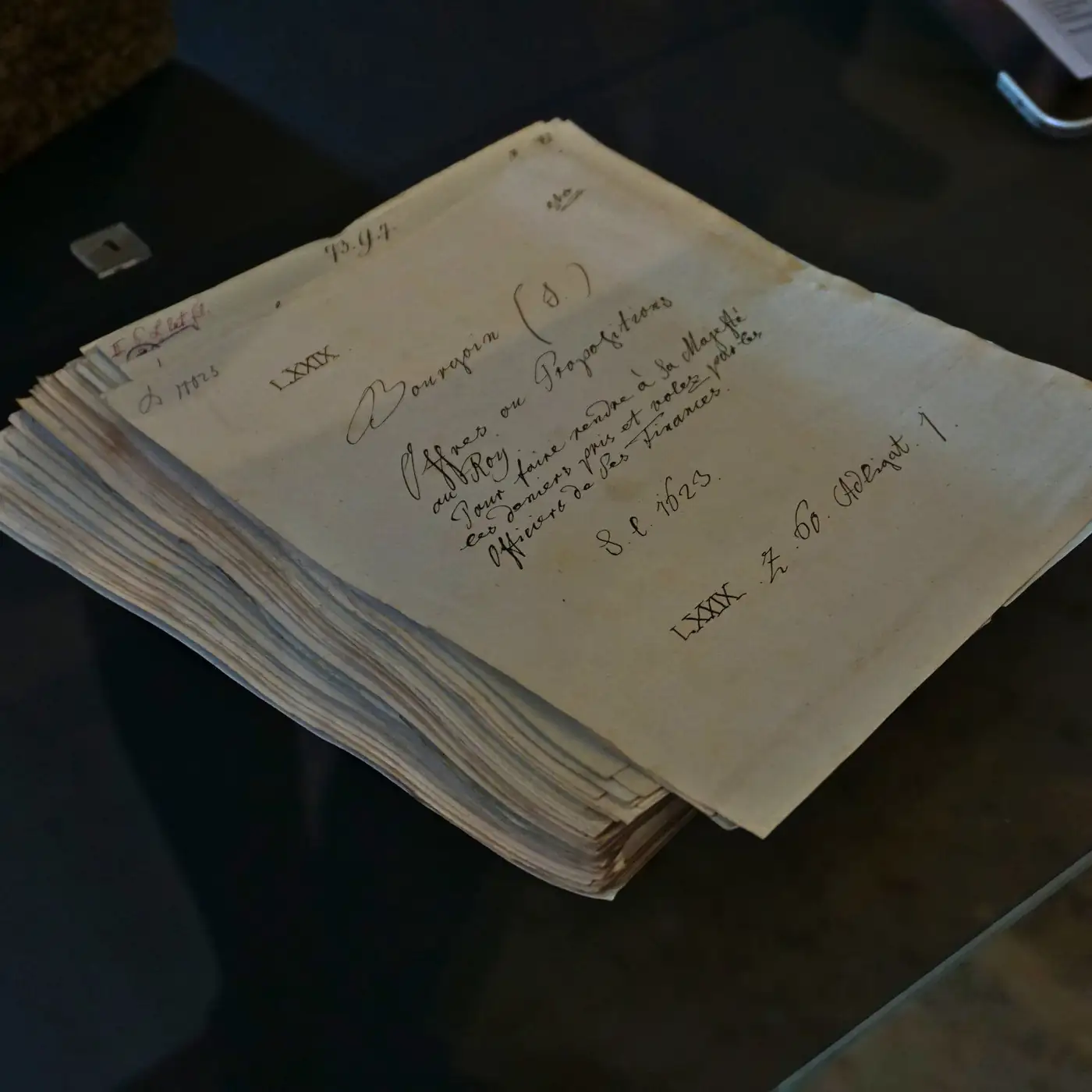
Ottoman documents are read, transcribed into the modern alphabet, simplified into present-day Turkish, summarised and indexed, restored, and transferred to a digital environment to become a digital archive. At the end of this chain the original document is preserved, while its content is opened to researchers and to the organisation.
Which Ottoman script types can be read?
Many script types, above all printed (matbu), rik’a, naskh, divani, thuluth, ta’liq and siyakat, are read by specialist teams. Historical documents such as books, registers, journals, firmans and berats are processed. The script type determines the reading time and the expertise required; for this reason, sample documents are examined before the project begins.
In what order are historical documents processed?
- Reading: The document is read by specialists suited to its script type.
- Transcription: The text is converted into the modern alphabet.
- Simplification: The text is brought into line with present-day Turkish.
- Summary and index: A summary is prepared for each document, and a searchable index is created.
- Restoration: The latest restoration procedures are applied.
- Digital transfer: Documents are transferred to the digital environment and a digital archive is built.
What is the difference between transcription and simplification?
Transcription is the conversion of a document’s letters into the modern alphabet; the text is still in the language of its period. Simplification is making the same text understandable in present-day Turkish. An organisation can request transcription alone or both together; the summary and index are added on top of these two steps and make the archive searchable.
What should be taken into account when scanning historical documents?
Fragile, bound and historical documents should be scanned with reduced physical contact. Contactless scanning with the ScanSnap SV600 and a custom-made book cradle automatically corrects the page curvature of an open book and does not damage the document. We explained the method in our article on scanning books and fragile documents; for device information, see the delicate document and book scanner page.
What should the first step be for a corporate historical archive?
The first step is the inventory: which documents exist, in which script they are written and what their physical condition is are determined. Then the order of priority, the restoration needs and the plan for transfer to the digital archive are prepared. For the whole service, you can read the page on archiving historical documents.
Frequently asked questions
Which documents fall within the scope of the Ottoman archive?
Books, registers, journals, firmans, berats and similar historical documents are in scope.
What happens to the original documents after restoration?
The original documents are preserved through restoration; the digital copy is prepared for research and daily use. In this way the document is opened to access without being worn out.
Where should you start with your archive?
If you are not sure which step to begin with, we start the first meeting with a feasibility study and an inventory. The digital archive assessment and the initial meeting are free of charge; you can fill in the form on the contact page or call +90 (212) 588 51 44.